
Supporting Local Charities Where Children Need Help Most | Download a PDF About Bridge the Gap Project
THE WORK WE SUPPORT
Bridge the Gap Project provides flexible, needs-based grants to extraordinary local charities and community organizations serving children in some of the world's most challenging environments.
These below are just some examples that illustrate the kind of urgent, high-impact work that Bridge the Gap Project was created to fund. Each has been identified through our partner Trehaus's on-the-ground operations and is evaluated against our mission and grant criteria. Some of these examples might not get funded, while other projects we haven't identified yet will be funded. Every project we do fund will have gone through our full due-diligence and grant-approval process.
Democratic Republic of Congo
Hero Women Rising
Restoring education for girls in a warzone
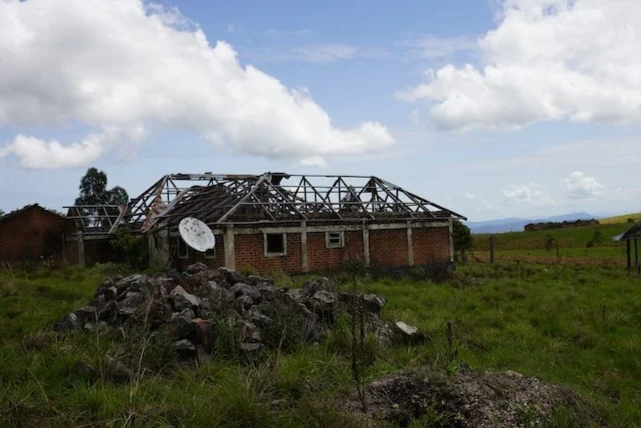
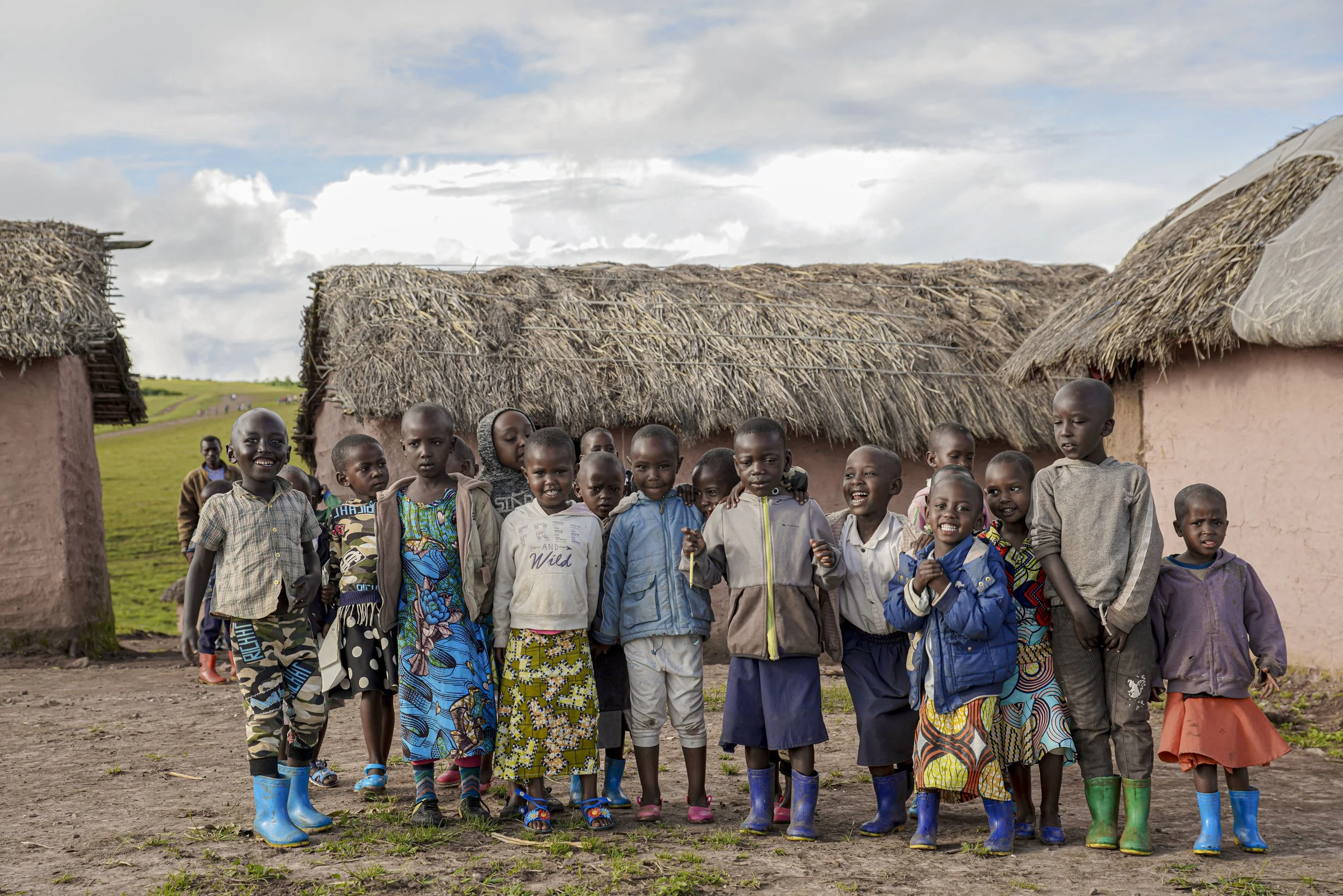
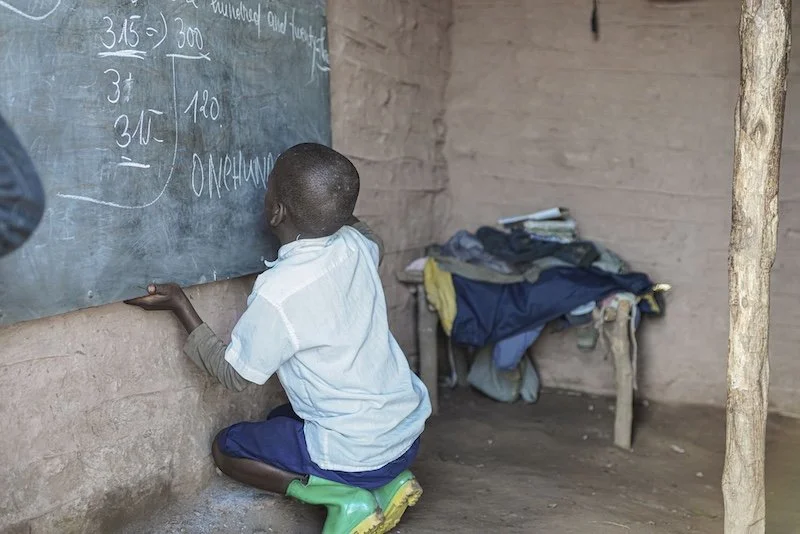
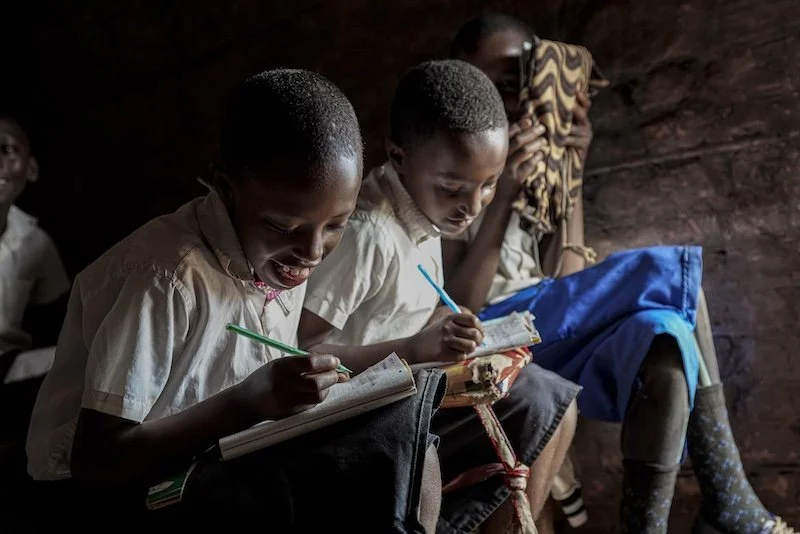
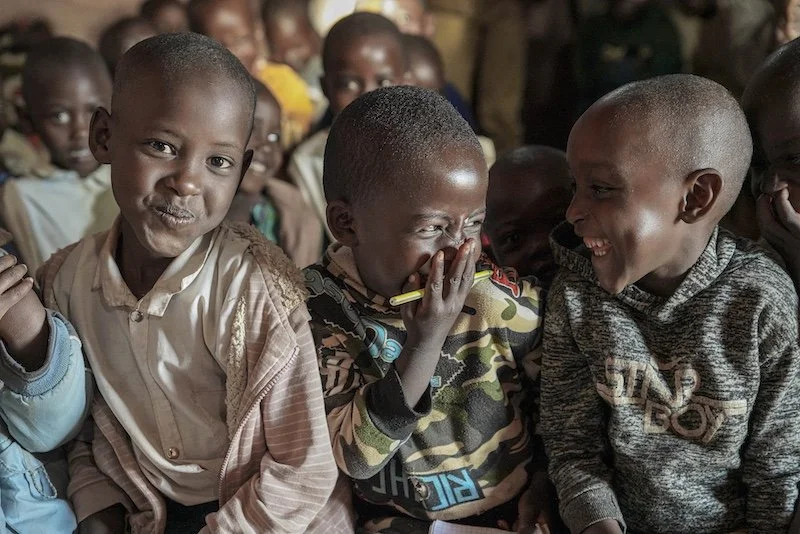
Neema Namadamu built the Mama Shujaa School amid conflict. It was burned down. Her community fled to refugee camps. Teacher training is already underway through Trehaus. If approved for funding, grants could support connectivity, resources, and safe learning spaces — helping children who have known nothing but loss find hope again.
Sumba, Indonesia
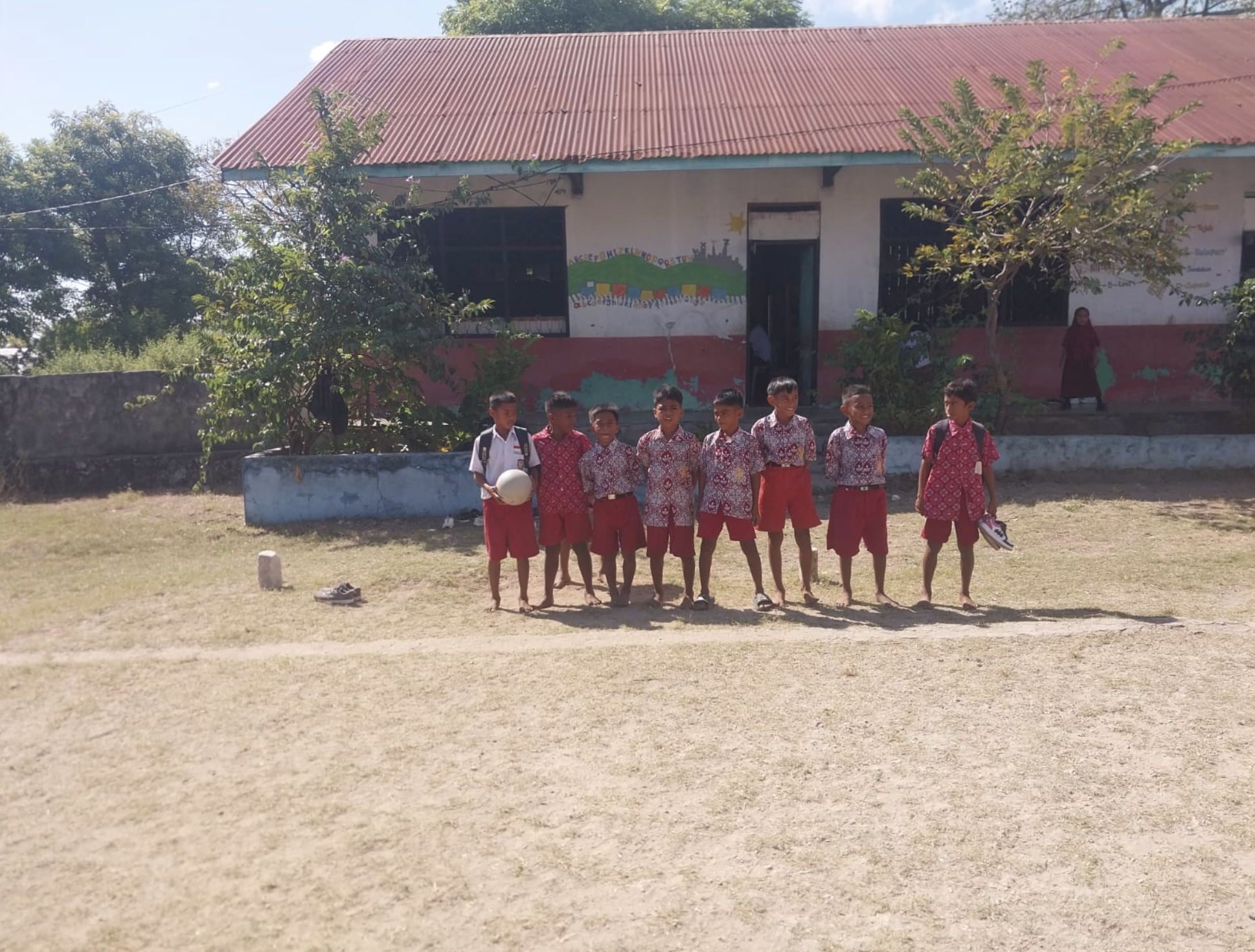
Village School
Nutrition, Learning & Community Resilience
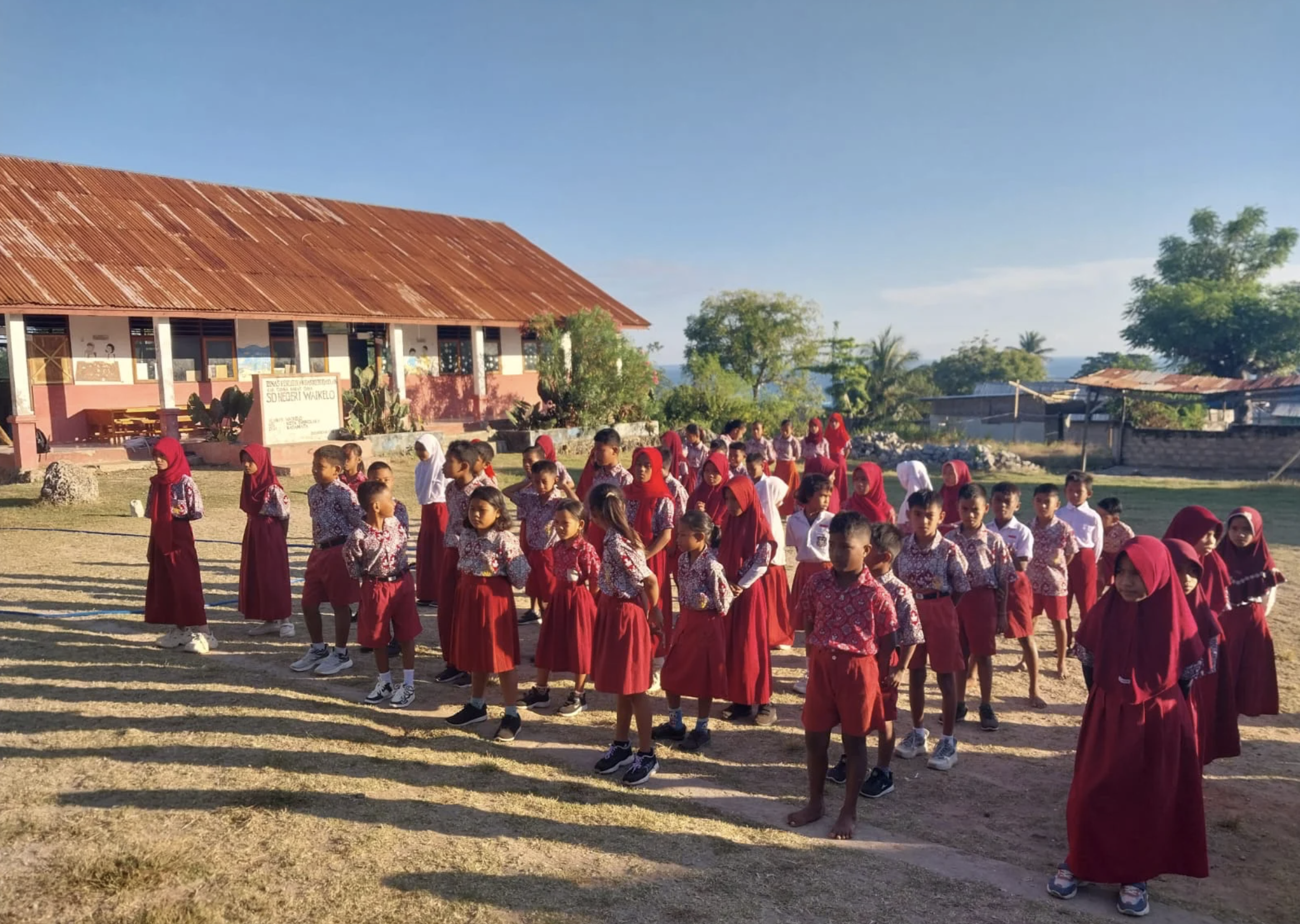
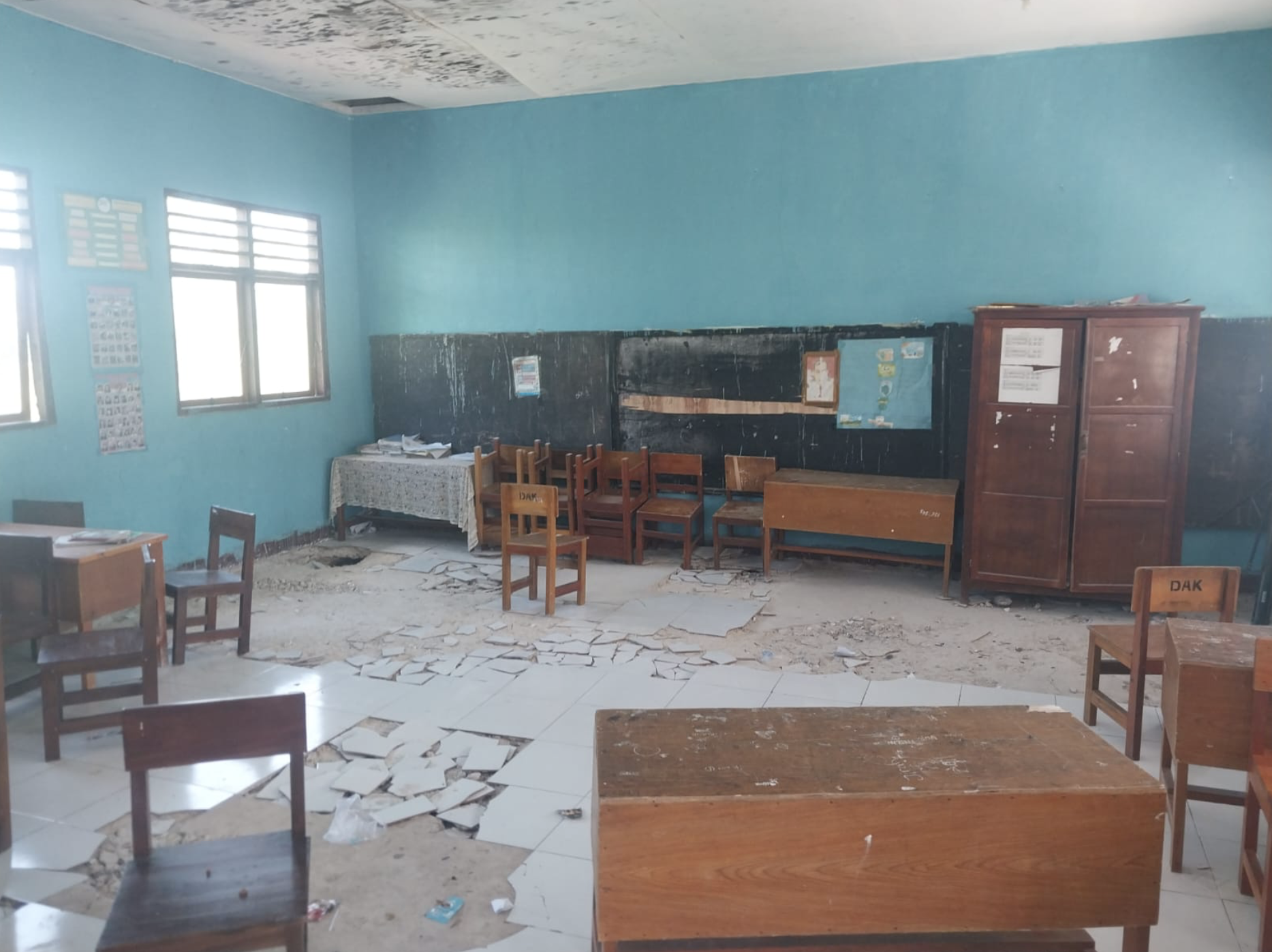
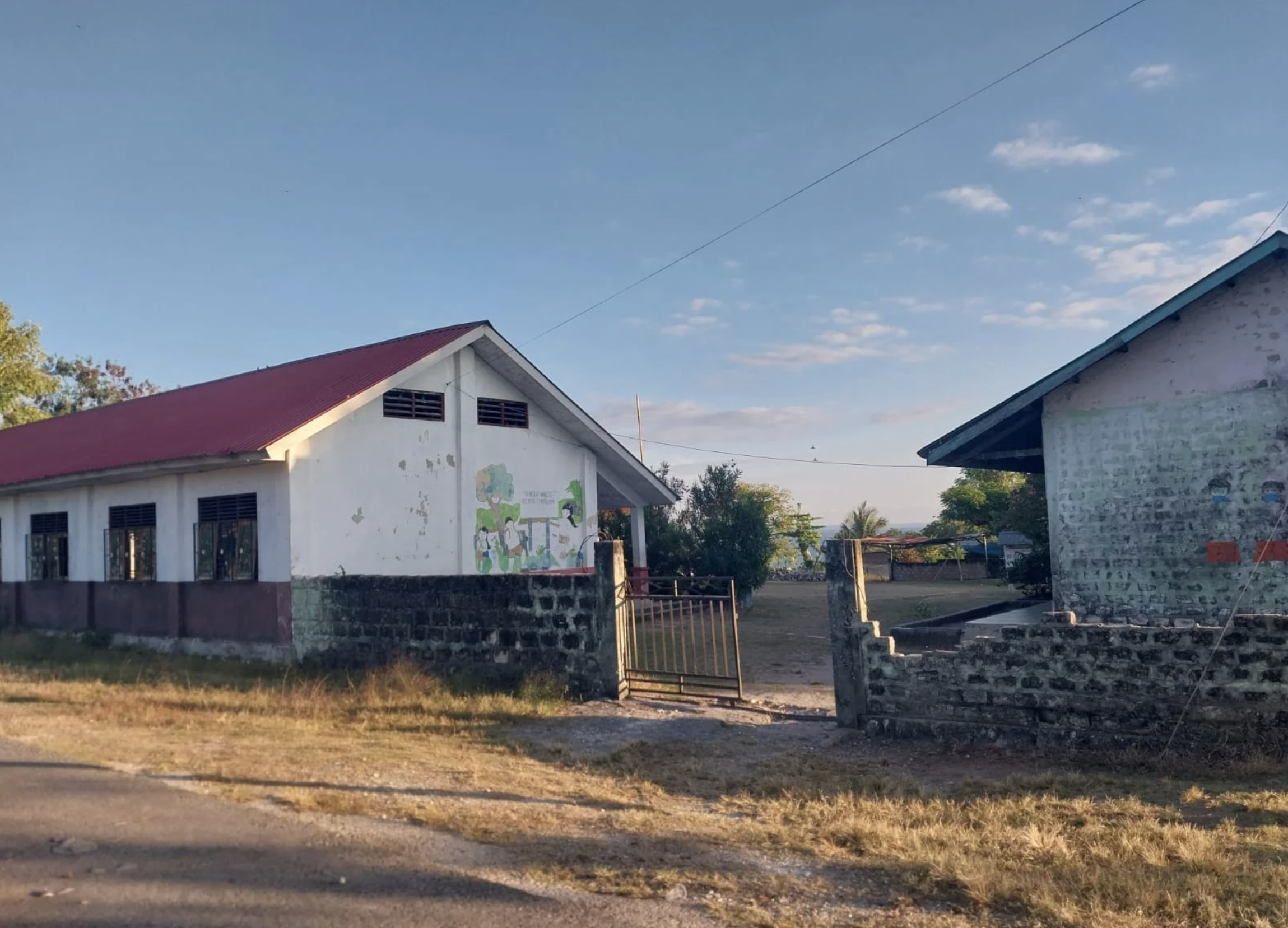
Many children survive on one meal a day. Stunting rates are high. If funded, grants could support school feeding programmes, early learning teacher training, and caregiver resources to help children arrive nourished, safe, and ready to learn.
Rural & Low-Income Schools
Pakistan
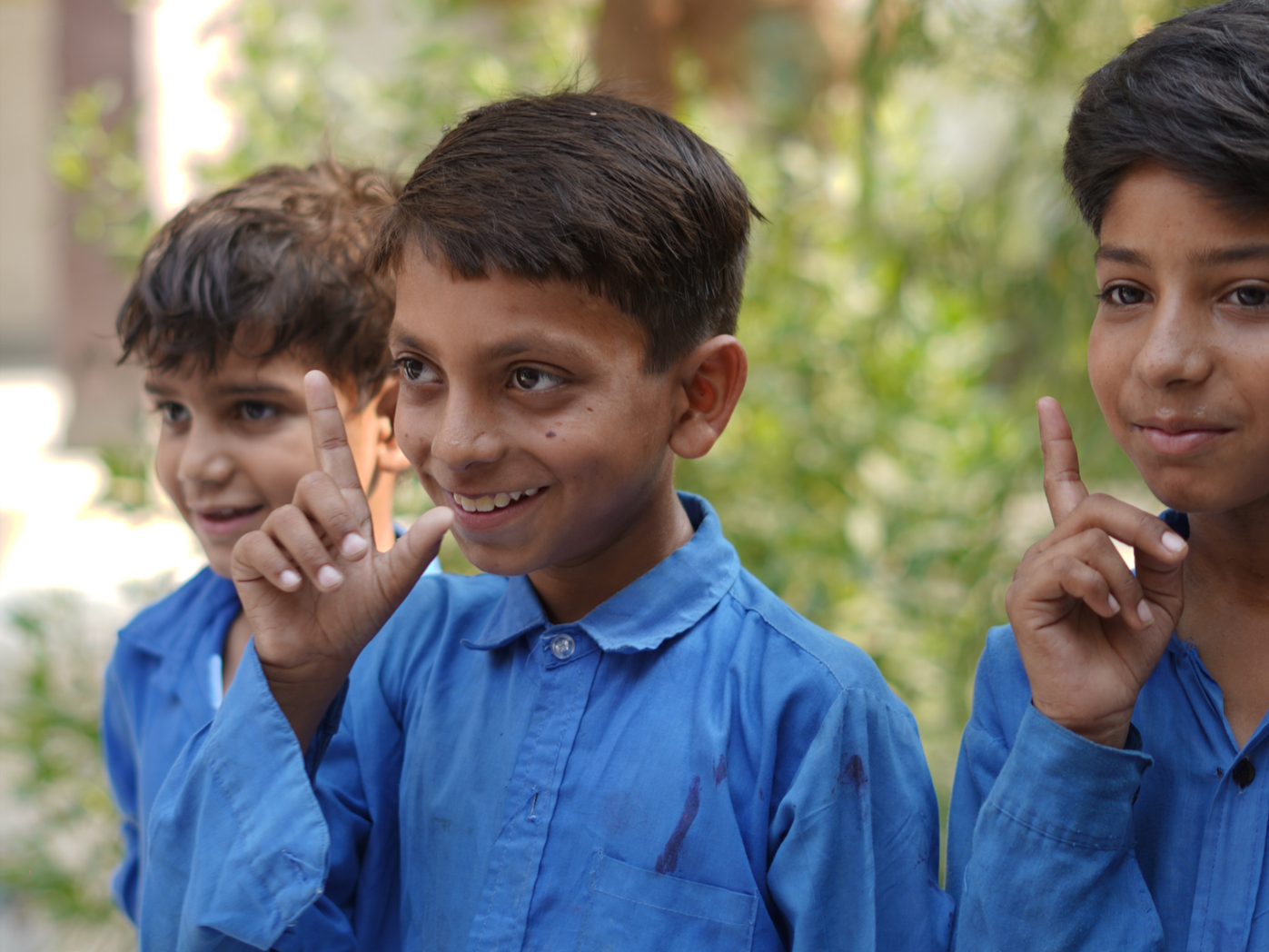
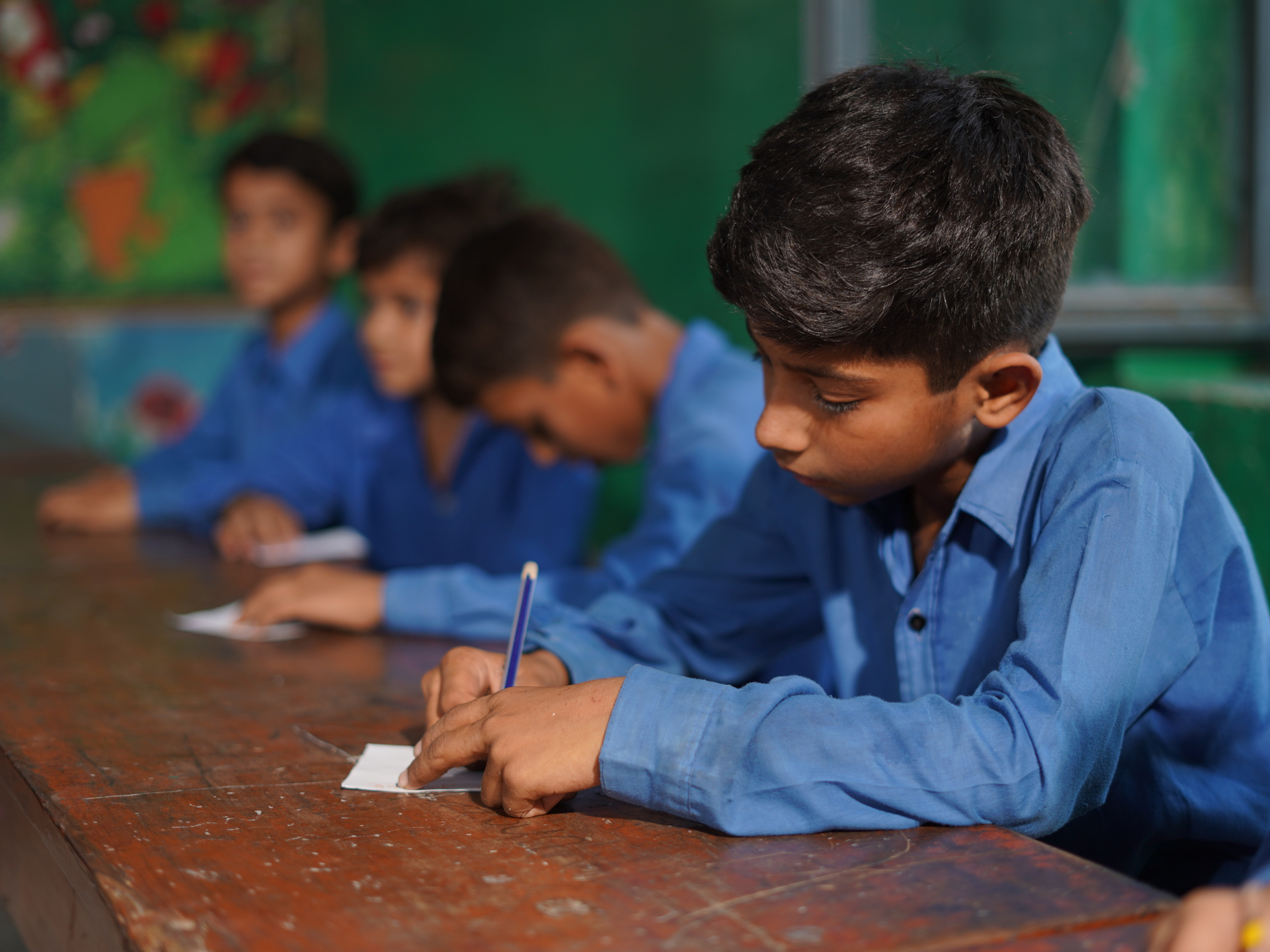
Scaling evidence-based early learning.
Teacher-student ratios of 1:60. In partnership with a local think tank, a structured early learning pilot delivered statistically significant gains in literacy, numeracy, and STEM across thousands of children in Punjab and KPK. We are evaluating how to scale what works.


Kuala Lumpur, Malaysia
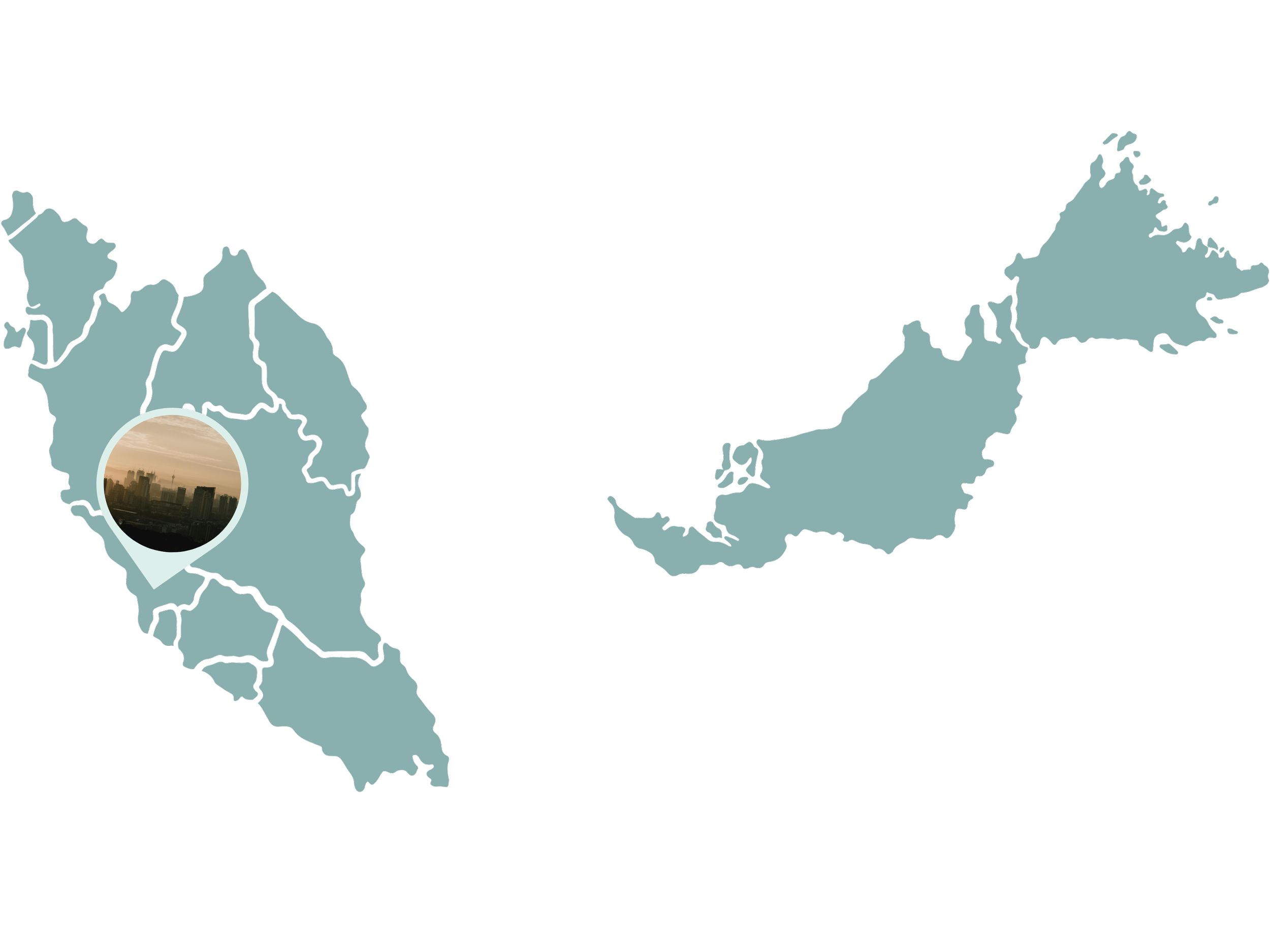
Yayasan Chow Kit
Education for undocumented & refugee children.
Undocumented migrant children are excluded from formal schooling — invisible to the system and falling further behind. YCK provides safe spaces, crisis support, and enrichment. If funded, grants could support teacher training and early childhood programmes for children the system has left behind.
Hyderabad, India
Dr. B.R. Ambedkar
School & Kaka’s Montessor.
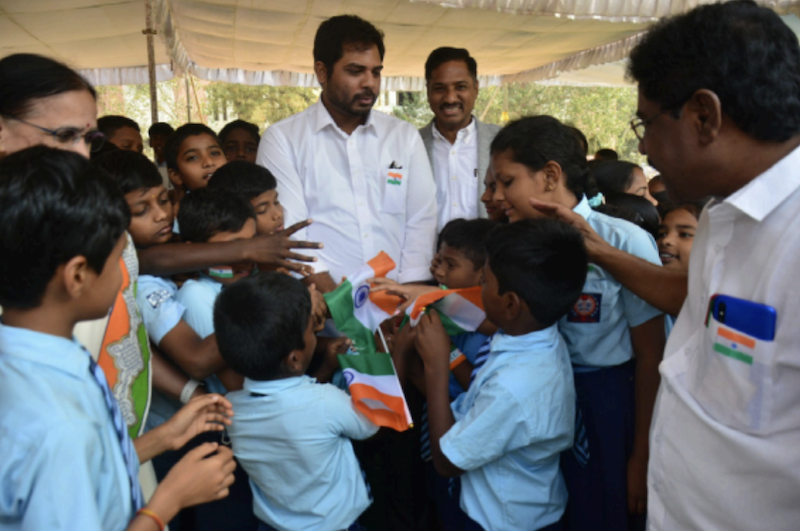
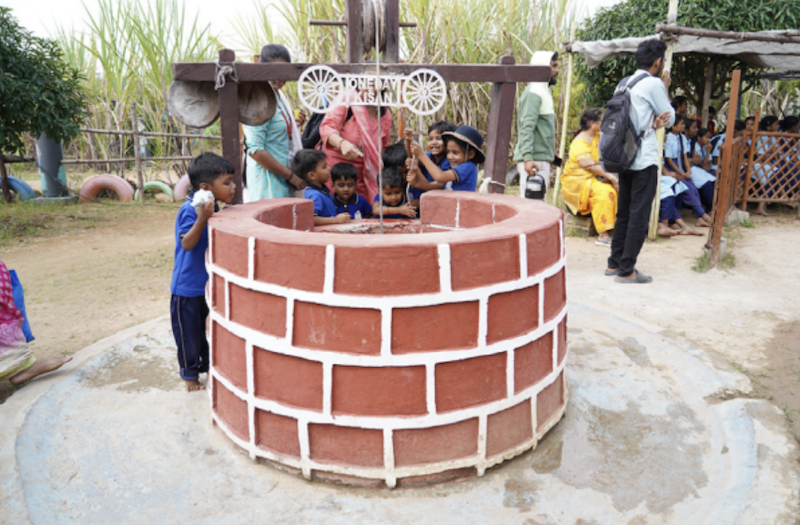
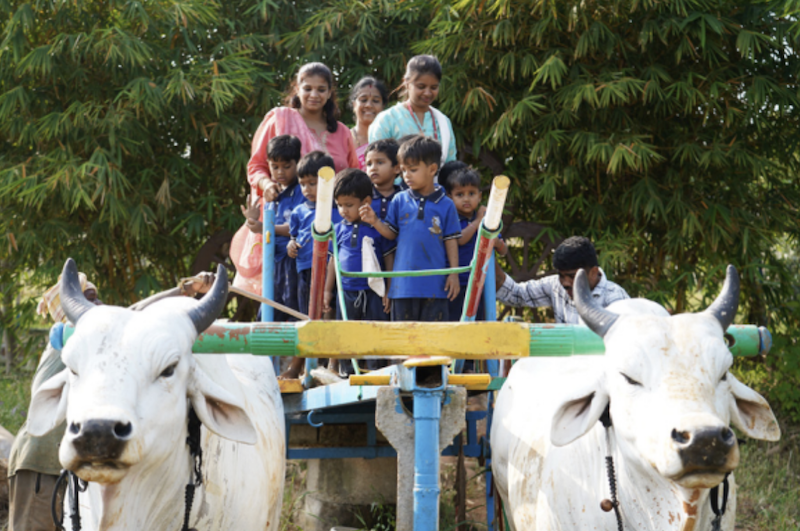
Quality education for families living in poverty 500+ students from daily-wage families, at fees of just USD 70–140 per year. Trehaus already provides play-based teacher training here. If funded, grants could support daily meal programmes, health screenings, and classroom resources — helping children arrive ready to learn.
Perak / Kelantan, Malaysia
Komuniti Bantuan Orang Asal (KBP)
Reaching indigenous children in remote jungle villages.
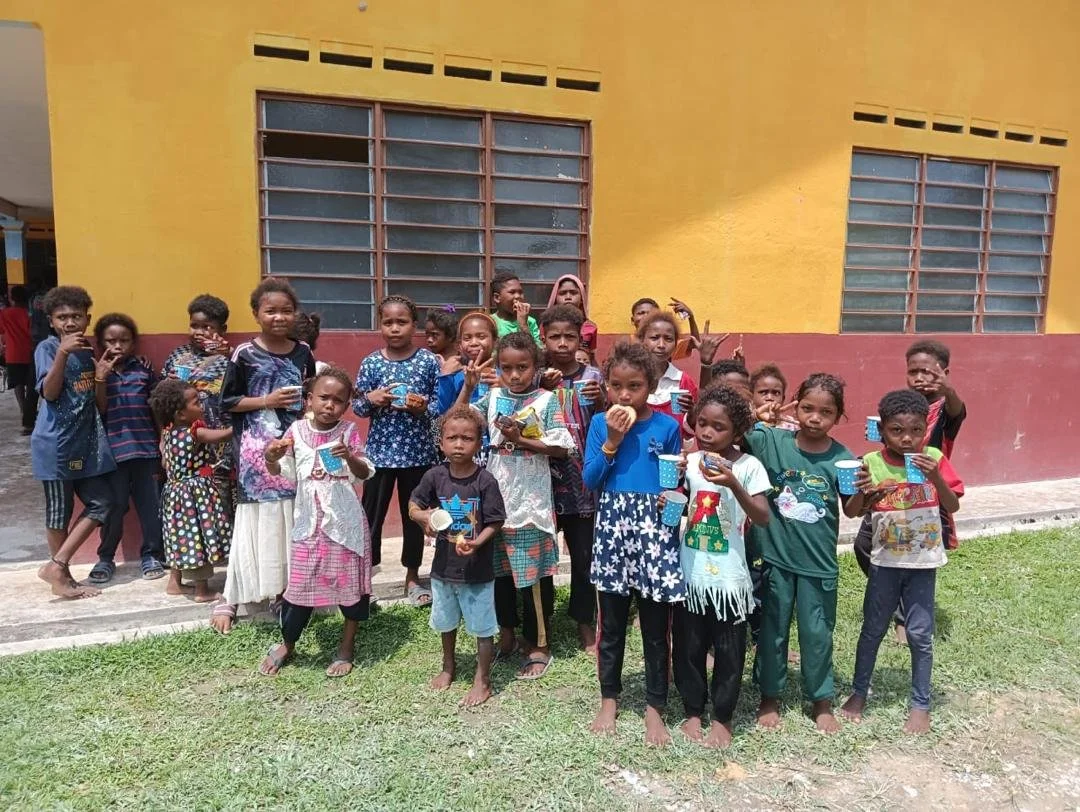
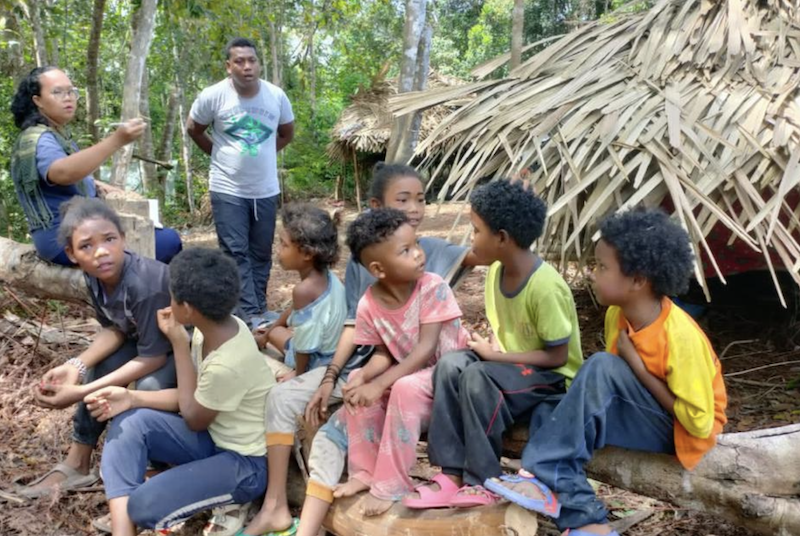
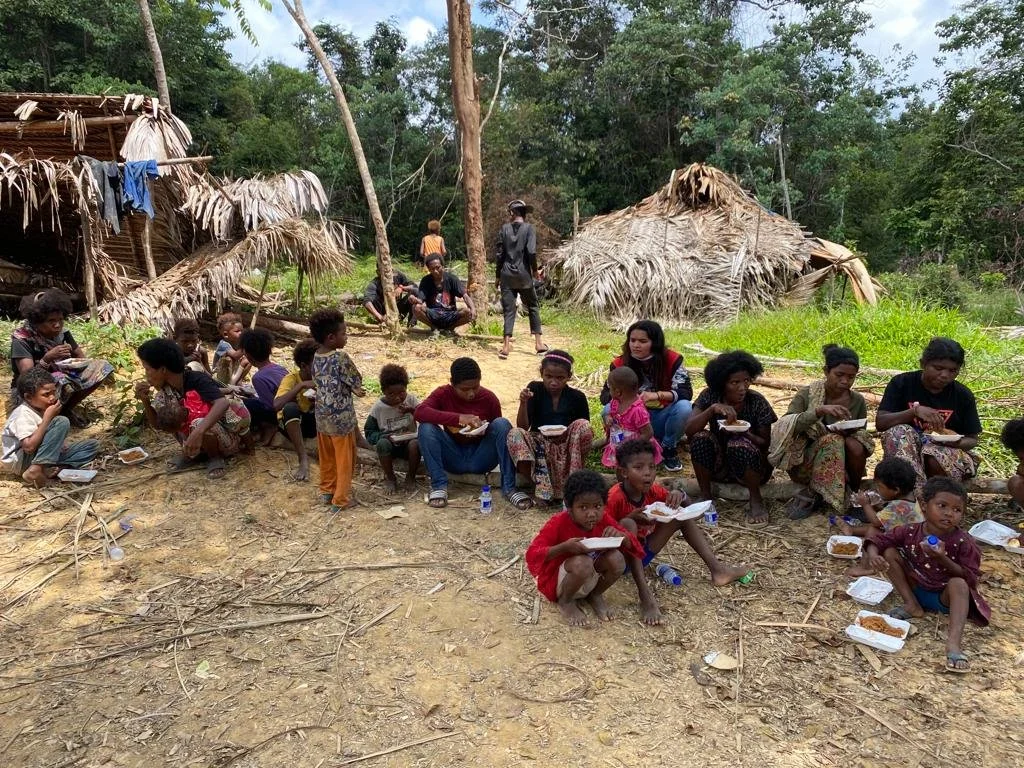
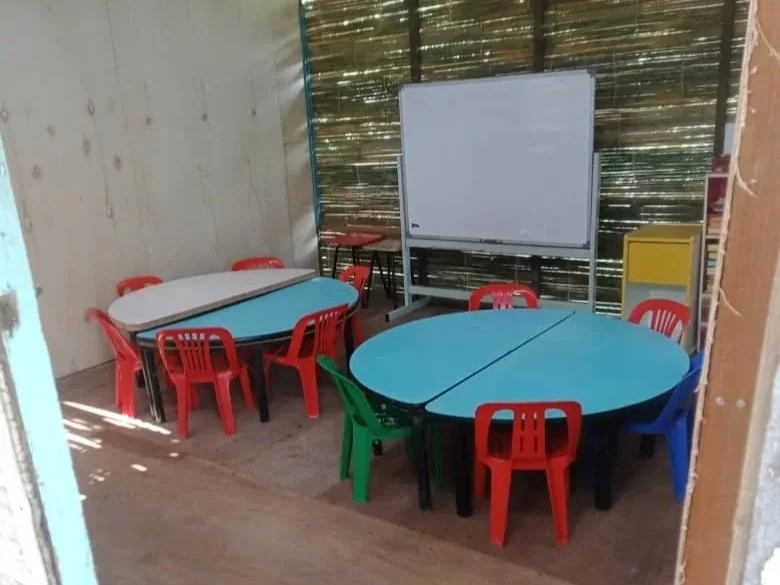
Orang Asli children drop out after just 2–3 years — arriving unprepared, disengaging, and disappearing. KBP runs 15 preschool centres across 15 villages. If funded, grants could support teacher training, learning materials, nutrition support, and safe learning spaces in hard-to-reach jungle communities.
WE’RE JUST GETTING STARTED, AND OUR VISION IS EXPANSIVE
Bridge the Gap Project supports grassroots organizations, schools, and community partners across rural communities, refugee settings, government school systems, and crisis-affected regions.
Through its partnership network, Bridge the Gap Project is able to identify urgent needs directly from the field and support organizations working closest to children and families.
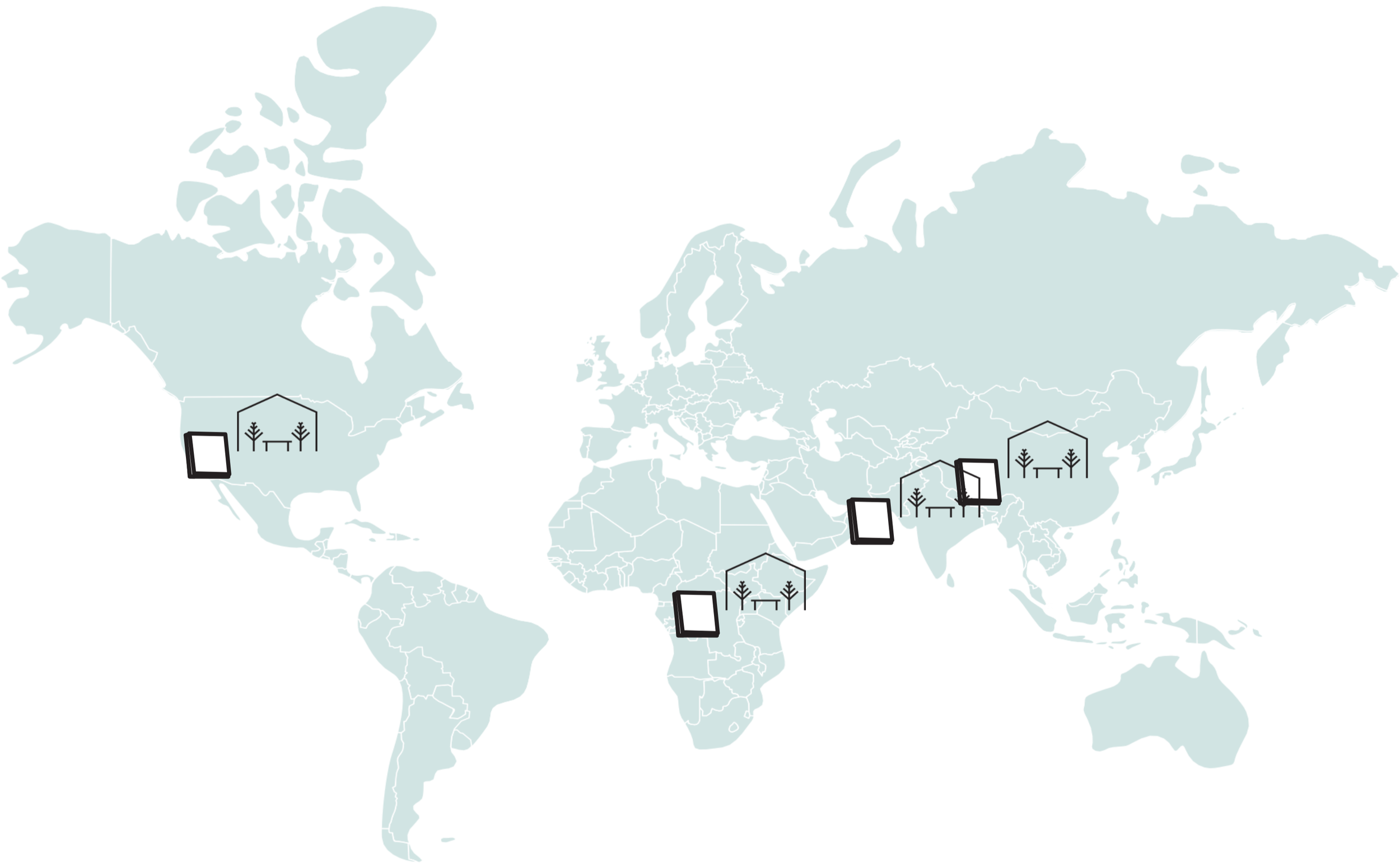
Current and exploratory partnerships span India, Pakistan, the Democratic Republic of Congo, Indonesia, and Malaysia with additional initiatives under development.
HELP BRIDGE THE GAP FOR CHILDREN WORLDWIDE
Children in refugee camps, crisis shelters, underserved communities, and remote villages cannot afford to wait.Together, we can support the local organizations working every day to provide children with safety, nourishment, care, and access to early learning.
Because every child deserves a fair start in life